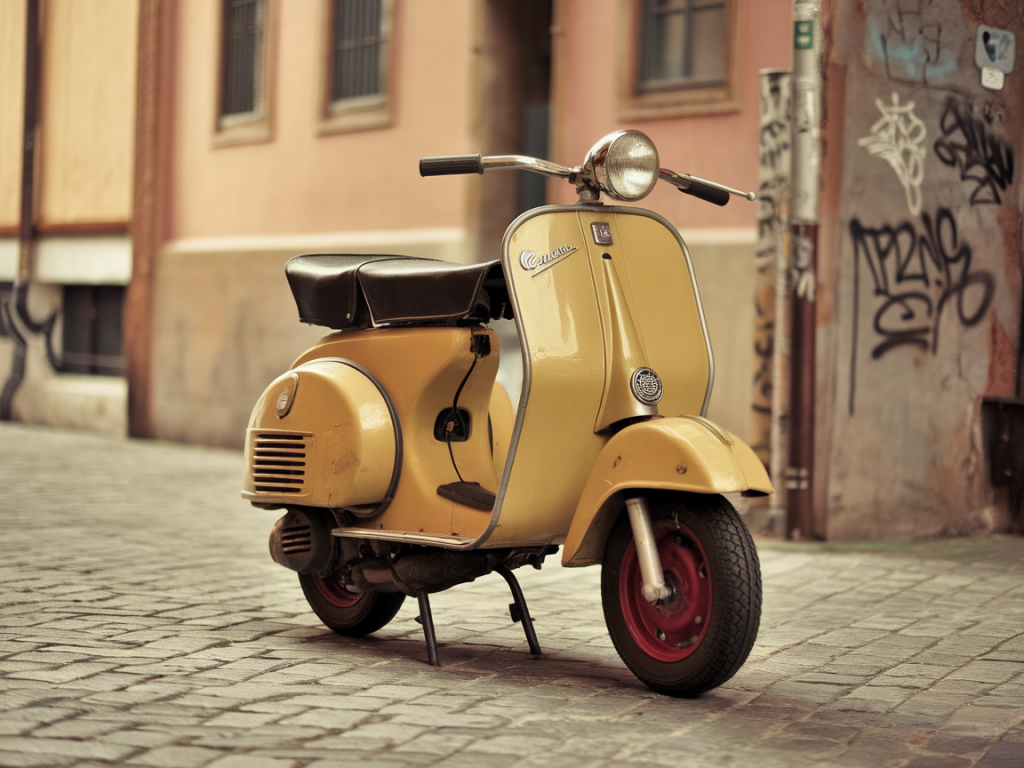
I remember the day I bought my first used scooter—full of excitement, a little fear, and a long list of questions. If you’re reading this, you’re probably at the same crossroads: wondering how to find a good deal without getting stuck with a lemon. In this article I share practical, experience-driven conseils pour acheter un scooter doccasion en sécurité that I use and recommend to friends. My goal is simple: help you buy a used scooter from a private seller with confidence, save money, and avoid nasty surprises.
Why buying a used scooter can be smart — and risky
Used scooters offer clear financial advantages: lower purchase price, slower depreciation, and often lower insurance costs. According to recent market data, the used two-wheeler market in Europe represents a sizeable fraction of total scooter transactions—over 60% of scooter sales in some regions are pre-owned. But the downsides are also obvious: hidden mechanical problems, incomplete paperwork, and potential legal issues (stolen vehicles, unpaid fines). That’s why having a checklist and a methodical approach is essential.
Before you start searching: set realistic criteria
Before browsing classifieds or contacting sellers, define your non-negotiables. I always recommend writing this down.
Where to look and how to evaluate listings
I scan local classifieds, dedicated two-wheeler marketplaces, and community groups. Trusted platforms reduce some risk because many include basic seller verification and buyer protection. Examples I use: Le Bon Coin (France), AutoScout24, and specialised local dealers’ private-sale boards.
What documents to ask for — paperwork checklist
Paperwork is where you can avoid legal headaches. Ask the seller to provide:
Verify the VIN/chassis number on the frame matches the documents. If it doesn’t, walk away.
Mechanical checklist I use in person
Bring a friend if possible, ideally someone who knows a bit about scooters. If not, don’t worry—this checklist is written for non-experts too. I also bring a torch and a notepad.
- Visual inspection: look for rust on the frame, mismatched paint, fresh welds, and leaking fluids under the engine.
- Tires & wheels: check tread depth (legal minimum differs by country; in the EU 1.6mm is common minimum), sidewall cracks, and rim damage.
- Brakes: test lever feel for sponginess, inspect discs/pads for wear.
- Suspension: press down on the front and rear—suspension should rebound smoothly with no strange noises.
- Engine start & idling: cold start test—difficult cold starts, excessive smoke (blue or black), or long cranking are red flags.
- Belts & variator: if the seller has recent belt/drive maintenance records, that’s a big plus. Belt replacement costs can be significant (often £80–£200 depending on model).
- Electrics: test lights, indicators, horn, and dashboard functions.
- Exhaust: look for leaks, excessive corrosion, or aftermarket modifications that may affect legality or insurance.
- Test ride: if permitted, test at legal speeds. Listen for rattles, slipping during acceleration, or pulling to one side.
Red flags that should stop the deal immediately
Some issues are non-negotiable for me:
Negotiation tips and pricing benchmarks
Arm yourself with market prices for the make/model/year. I use price guides and recent similar listings to build my case. Typical negotiation steps:
- Start with a lower offer supported by factual issues you found (new tires needed, belt replacement, minor dents).
- Factor in expected immediate costs: service, belt, oil change, new tires, registration transfer fees.
- If the seller won’t budge but the scooter is otherwise perfect, consider meeting halfway—sometimes convenience is worth a small premium.
Example quick benchmark table I use for city scooters (approximate used prices in GBP, 2016–2019 models):
| Model (125cc) | Typical mileage | Price range |
|---|---|---|
| Honda PCX | 10,000–25,000 km | £1,800–£3,200 |
| Yamaha XMAX | 8,000–35,000 km | £2,000–£3,500 |
| Piaggio Liberty | 12,000–30,000 km | £900–£2,200 |
Transfer, registration, and insurance: the final administrative steps
Once the deal is agreed, don’t forget the paperwork process. Transfer rules vary by country but usual steps include:
Failing to insure the scooter immediately is a legal and financial risk. Use comparisons to find short-term temporary cover if the formal transfer might take time.
When to ask a mechanic or use a paid inspection
If a scooter passes your initial checks but still costs over a threshold you define (I often set £1,200–£1,500 as my “pay mechanic” line), get a professional pre-purchase inspection. A qualified mechanic can spot hidden transmission or electrical issues that cost far more than the inspection fee. Many garages provide a simple paid checklist inspection for under £100–£150.
Useful resources and references
- Service-public.fr — official guidance on vehicle registration and administrative steps in France.
- GOV.UK MOT and vehicle checks — useful for checking MOT history (UK).
- Statista — market data on two-wheeler sales and trends.
- Motorcycle News — model reviews and long-term reliability notes.
Practical checklist you can copy (print-friendly)
- Confirm seller ID and ownership documents match.
- Check VIN/chassis number against paperwork.
- Verify last service date and belt replacement history.
- Inspect tires, brakes, suspension, and electricals.
- Cold start and idle — listen for smoke or roughness.
- Short test ride — acceleration, brakes, steering feel.
- Negotiate with documented faults and factor repair costs.
- Obtain signed sale receipt and arrange immediate insurance.
- Complete registration transfer within legal timeframe.
Common buyer questions (quick answers)
- Is it better to buy from a dealer? Dealers offer warranties and documentation checks but charge more. Private sellers often sell cheaper but require more due diligence.
- How much should I budget for first-year running costs? Consider insurance, routine maintenance, possible belt change, and tyres. For many scooters this totals £300–£800 in the first year depending on use and model.
- Can I ride the scooter before buying? You should, but only after checking insurance and the seller’s comfort. Always have ID and ideally a companion.